This website uses Microsoft Clarity and Google Analytics to capture how you use and interact with our website through behaviorual metrics, heatmaps, and session replay to improve the website UX & perfomances.









.svg)








- Driving design in quantitative environment
- Establishing design practice in low design maturity context
- Introducing design method to non-designers
- Working in complex legacy system
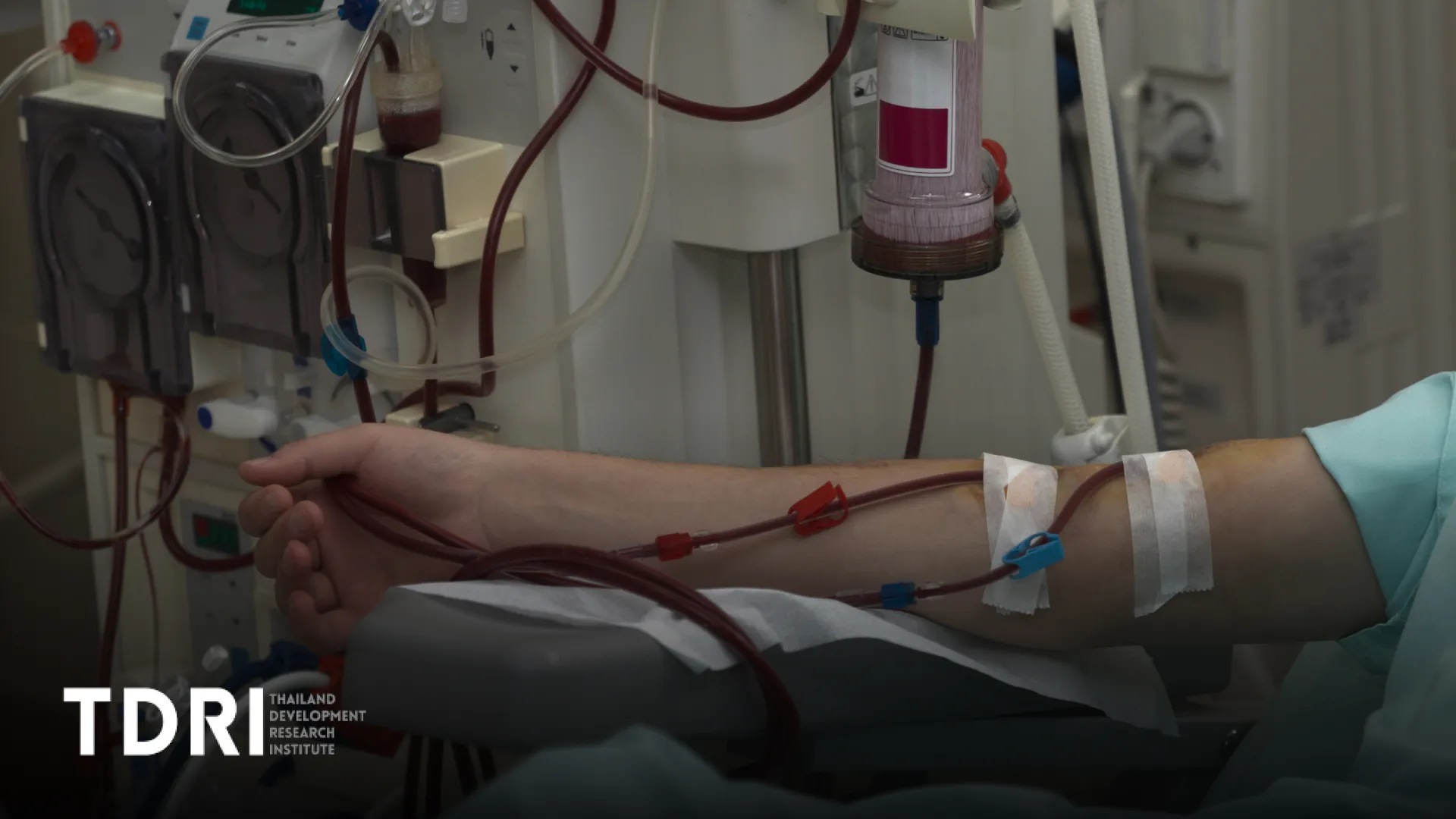
- Pioneered systemic service design in Thailand’s healthcare policy
- Led and mentored two junior designers
- Conducted ethnographic and user research
- Designed and facilitated co-design workshops
- Write academic report and policy recommendation report
- Portfolio of healthcare service innovations,
-Policy recommendation reports
- New patient experience designs
- End-to-end service blueprints, and a clear implementation roadmap

- Working cross-culture in highly ambiguous project
- Adopting transition design approach into service design project
- Explore complex issues in an unfamiliar cultures
- Develop multiple complimentary solutions to create condition for main interventions
- Conducted user research and cultural probes to uncover behavioural and contextual insights
- Mapped complex (“wicked”) systems, including service blueprints and user journeys
- Designed and facilitated co-design workshops, supported toolkits
- Designed UX, UI, and multi-channel service touchpoints
- Performed statistical analysis of survey data to inform decisions
- Ethnographic Film representing user tension within system
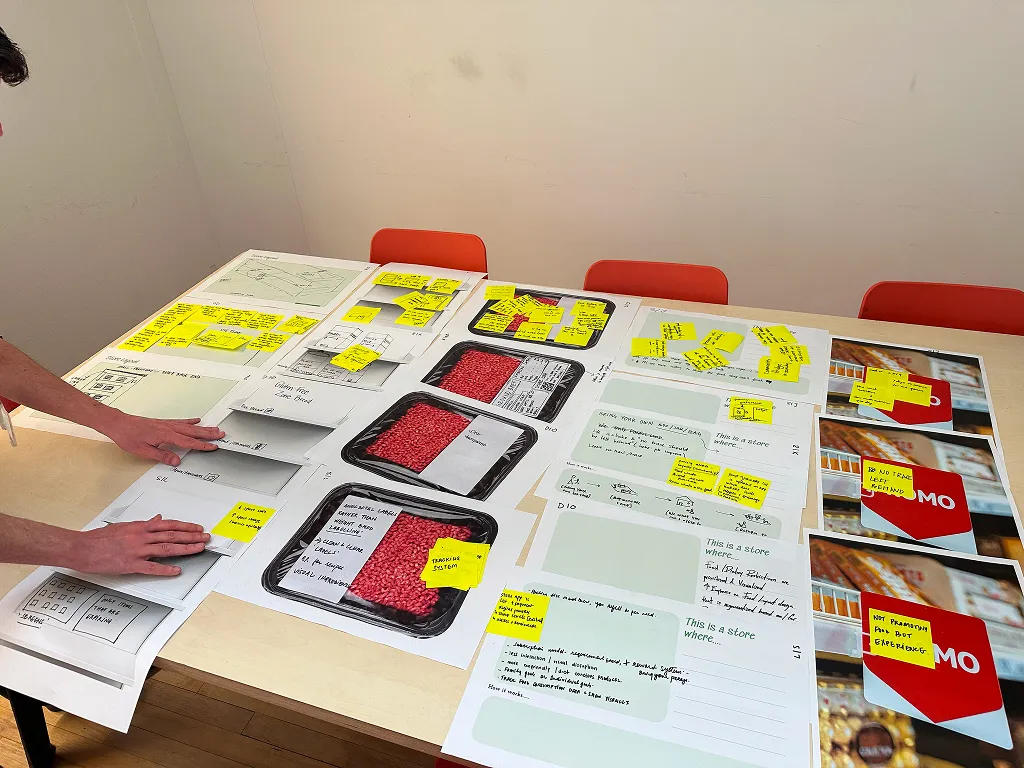
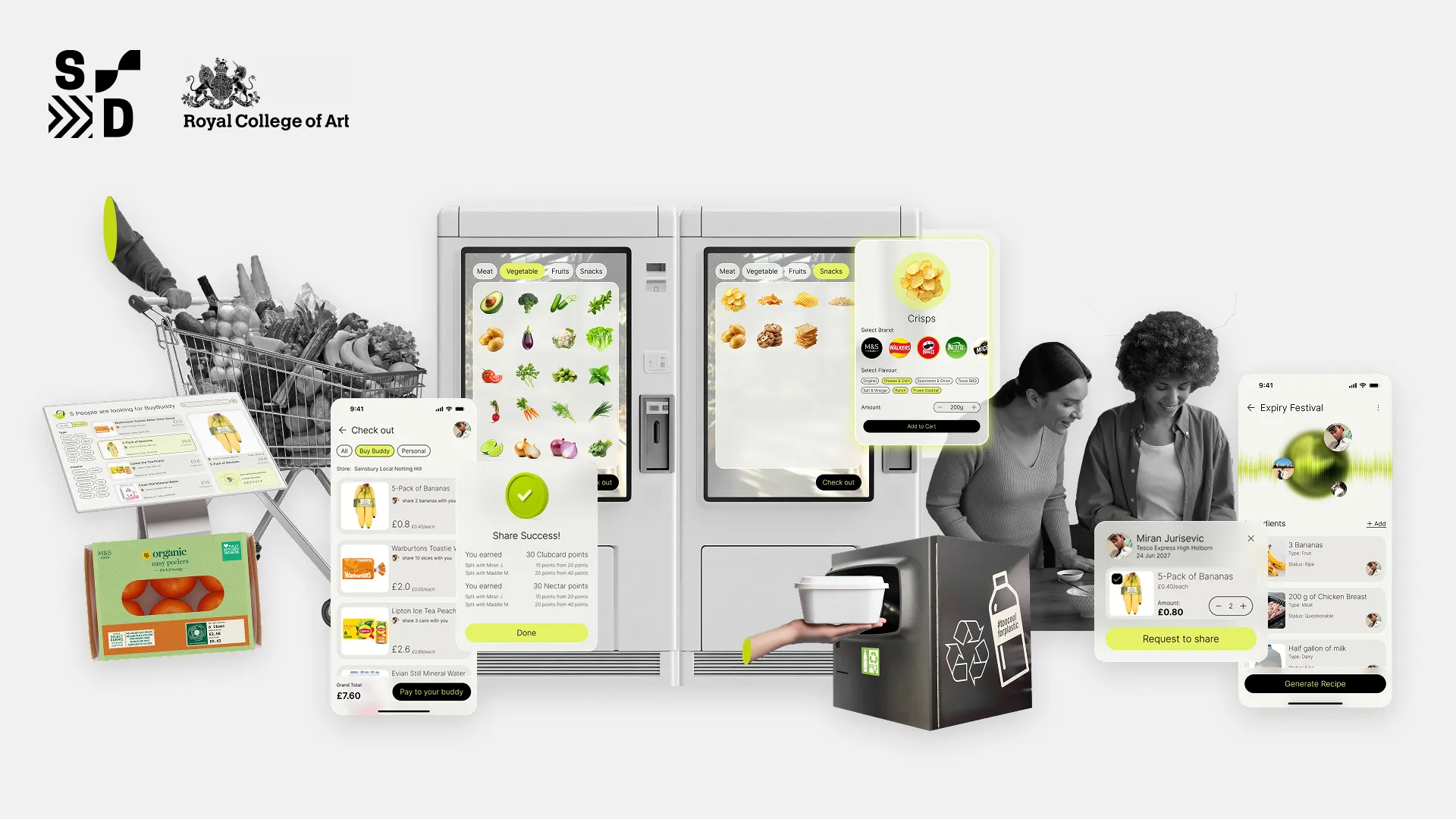
- New future vision that reimagined the retail food system
- Design of sharing-driven digital application
- Smart store service model,
- New forms of interaction among flatmates
- Policy directions to support collaborative consumption at a systemic level.
- Working with cross-functional team in high ambiguous project
- Introducing wicked problem and service design to non-designer
- Gathering and facilitating stakeholder's collaborations
- Testing prototype in unfavourable space
- Conducted user research and system reviews to inform service direction
- Mapped complex systems and stakeholder relationships
- Designed and tested workable prototypes to validate concepts
- Led end-to-end service design activities
- Defined and documented the future (“to-be”) service model
- Designed UX and supporting service touchpoints
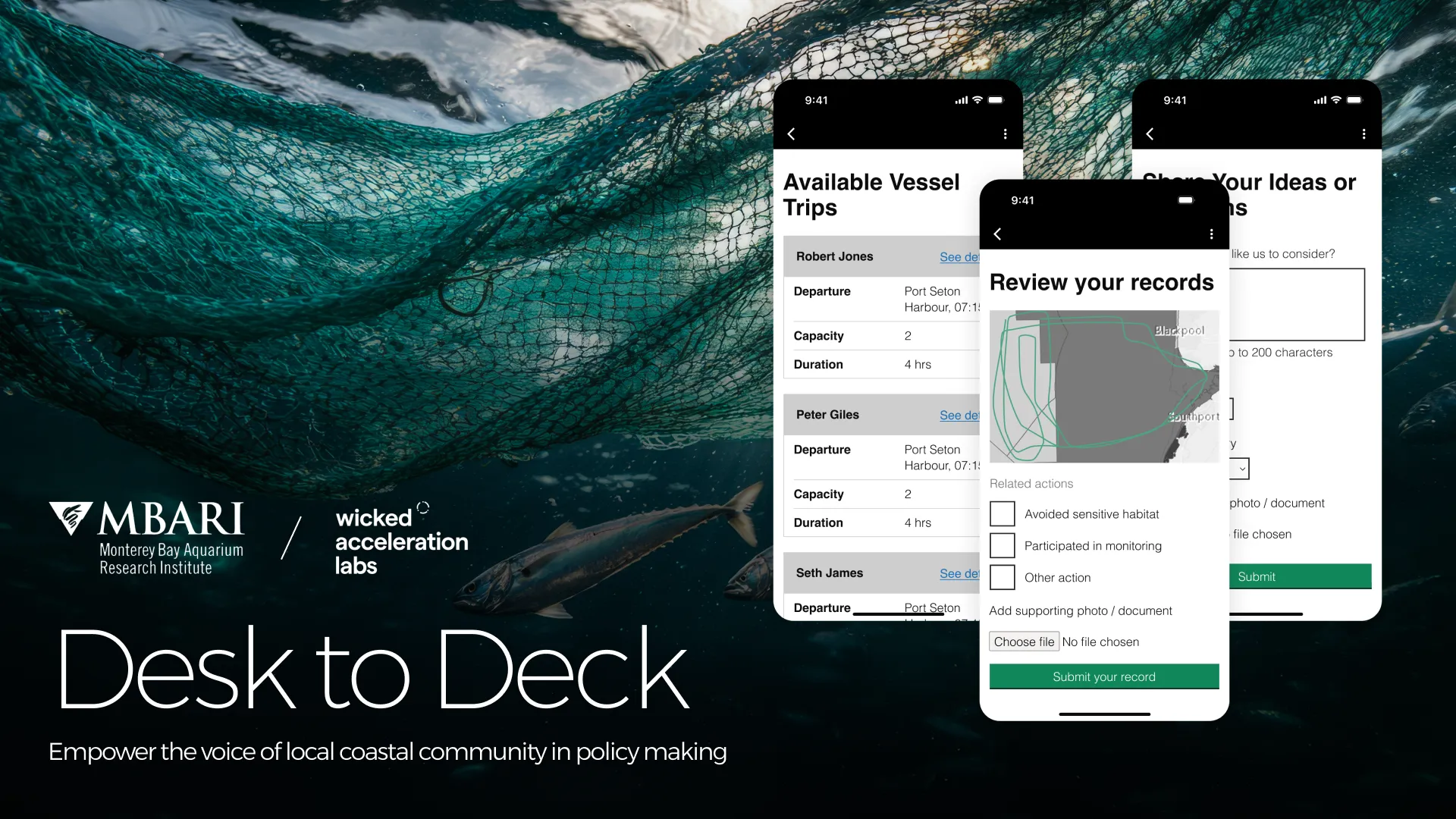
- New service system featuring a GDS standard offline-first digital application, enabling local fishers to contribute Local Ecological Knowledge directly into policymaking and research processes.
- Policy Blueprint showing how new service fit in policy cycle
- Mission-led Venture Canvas showing how this service feasible
- End-to-End Service Blueprint

- Working in highly complex system for 15 years ahead with unfamiliar methods
- Understanding cultural differences and shifting social dynamics
- Collaborated across different cultural background in extremely tight timeline
- Conducted system analysis through stakeholder mapping and policy review
- Performed horizon scanning to identify weak signals and emerging trends
- Created a design film to communicate future scenarios
- Facilitated futuring workshops with stakeholders
- Produced visual artefacts to illustrate and explore scenarios
- Designed digital interfaces integrated into the service vision
- 2 plausible future scenarios
- Future-proof rehabilitation model and Service Blueprint
- Theory of Change Model
- Emerging crime patterns
- Backcasting timeline to guide present-day action.
- Driving Service Design Adoption in large organisation
- Embedding design process with operation management pace
- Reaching out to marginalised users without urban perspective
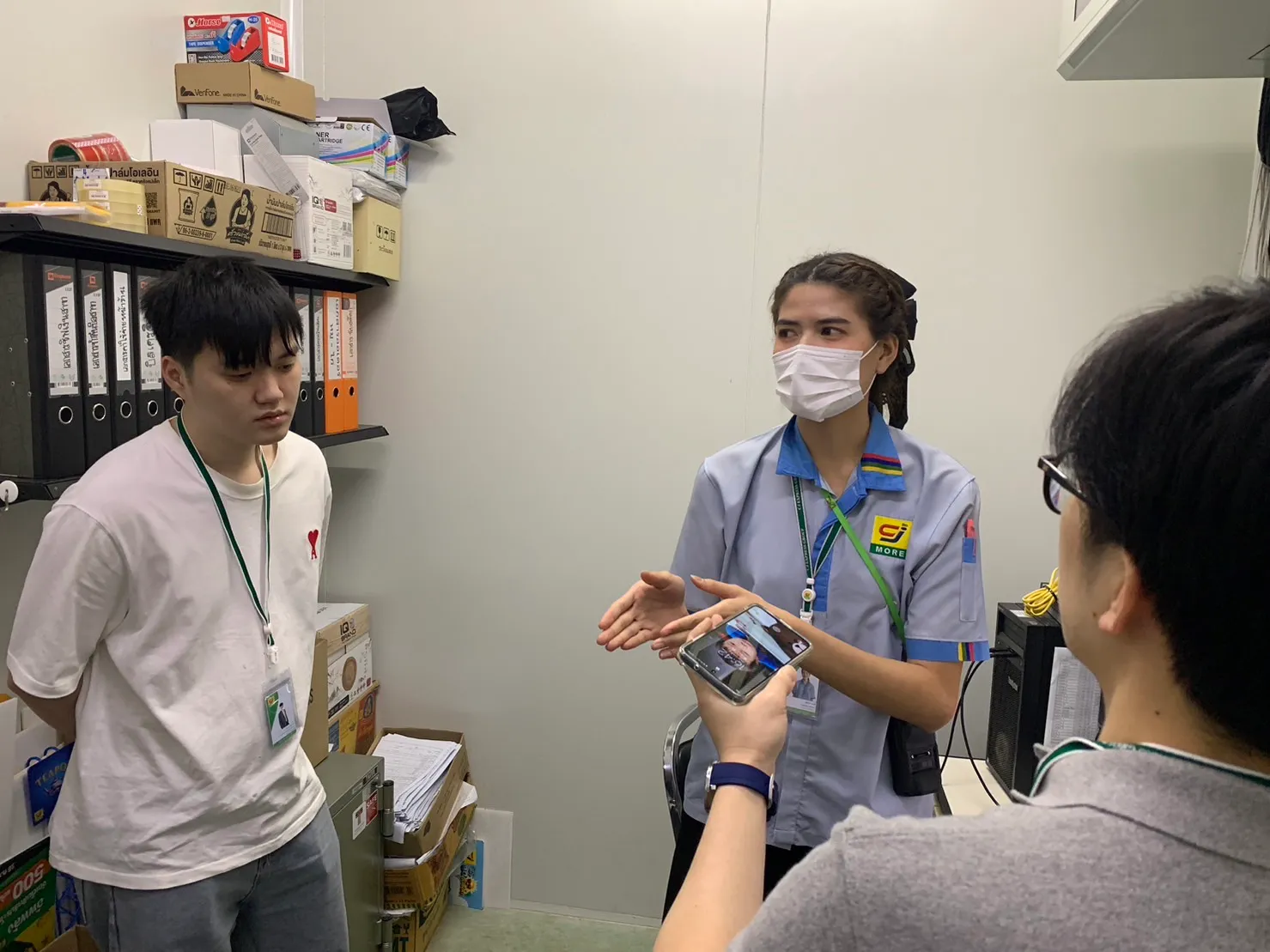
- Conducted user research and frontline immersion by working alongside frontline staff
- Managed relationships with C-suite stakeholders and cross-functional teams
- Led and supervised two junior designers
- Defined and executed rollout test plans and implementation roadmaps
- Ran a prototype sandbox to test and iterate service concepts
- Set up journey management with Theydo
- New service proposition for CJ MORE's digital service
- Established shared understanding and alignment across teams on implementation
- Introduced service design capability within the organisation
- Theydo Journey Management integrated
- Sandbox Implementation
- Manage expectation and contribution from voluntary designers
- Introducing service design perspective in Thai public sector
- Accessing to marginalised users
- Conducted user and field research to understand vendor and system needs
- Mapped user journeys and stakeholder relationships to identify gaps and insights
- Led a team of 6 volunteer UX and service designers
-Coordinated with government stakeholders and program managers
- Designed the UX and orchestrated end-to-end service touchpoints
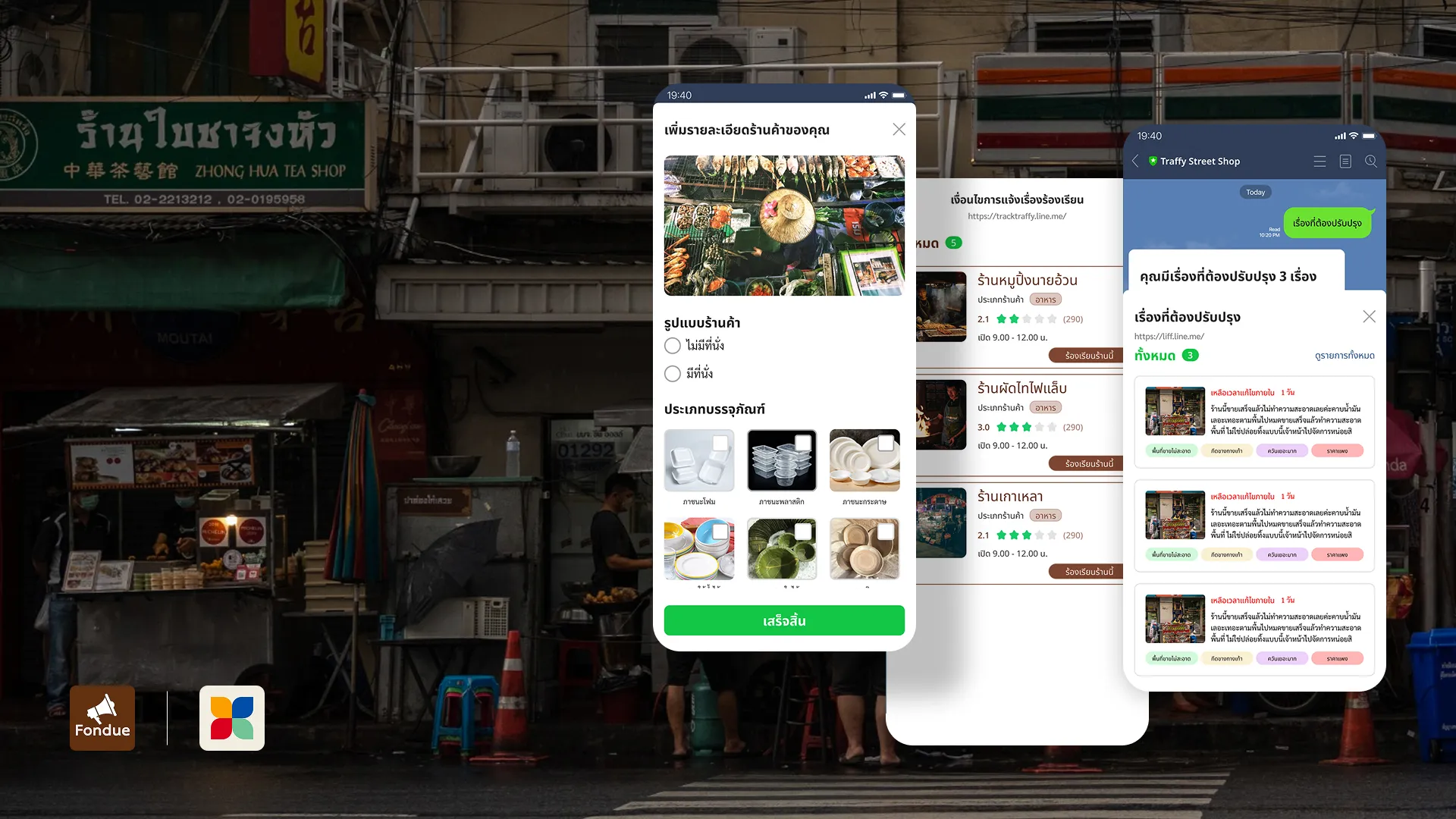
- New service ecosystem to support local street cart vendors in Thailand to operate legally and in compliance
- Designed application including Chatbot-assisted application and a data collection channel
- Ticket management system to streamline regulation and support services
- End-to-End Service Blueprint
- Collaborating with team from different timezones - India, Australia, etc.
- Designing under limitation of one global solution but different local requirements
- Developing solution within global and local legacy constraints
- Led visioning workshops to align requirements across multiple European markets
- Designed the UX and information architecture to support configurable workflows
- Developed UI using reusable patterns from the global design system
- Documented design decisions and delivery standards as part of the Community of Practice
- Created interactive prototypes to conduct user testing and validate workflows
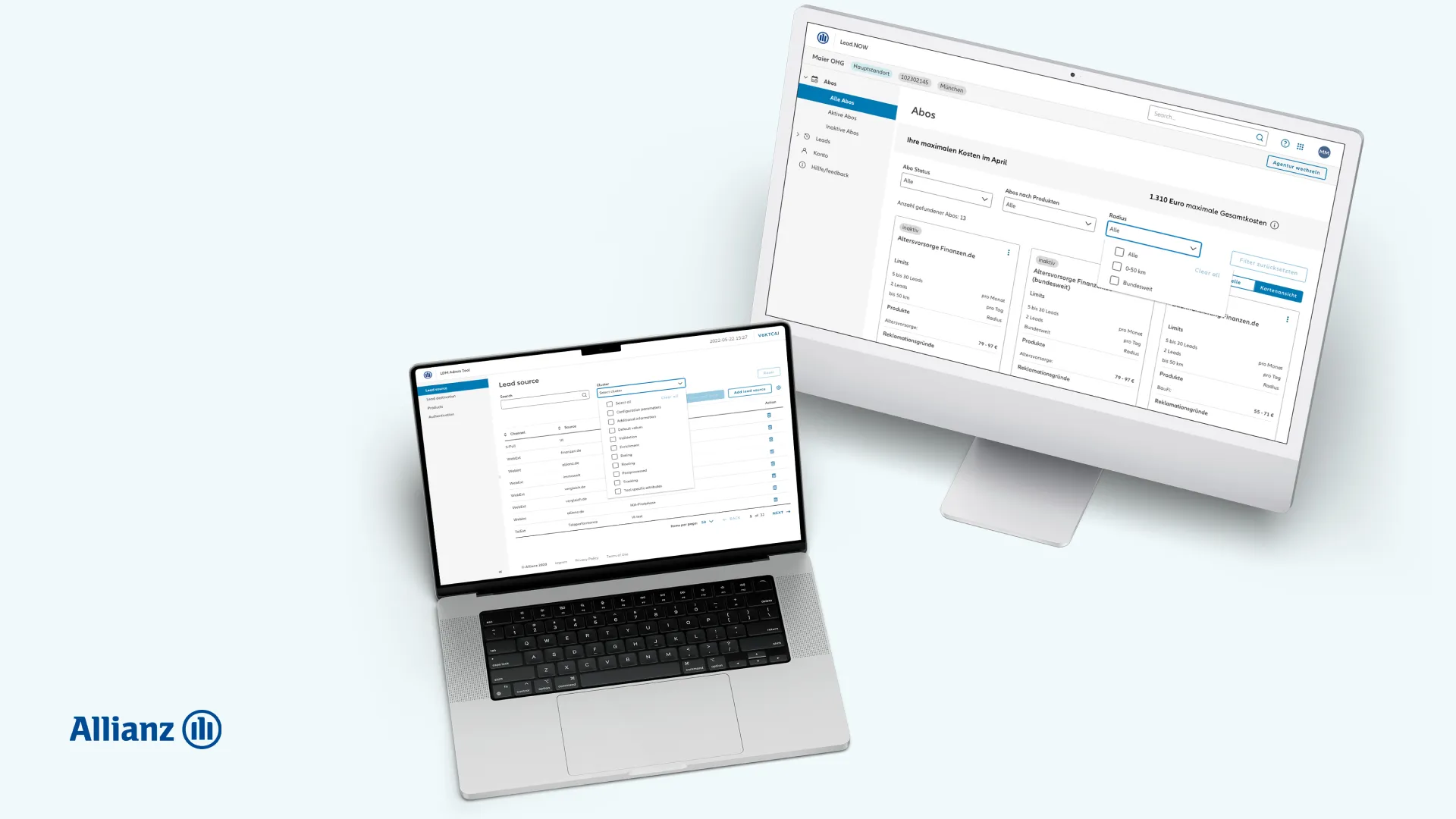
- New lead management system, spanning the data flow from the management portal to the agent portal, with configurable design patterns to support country-specific requirements
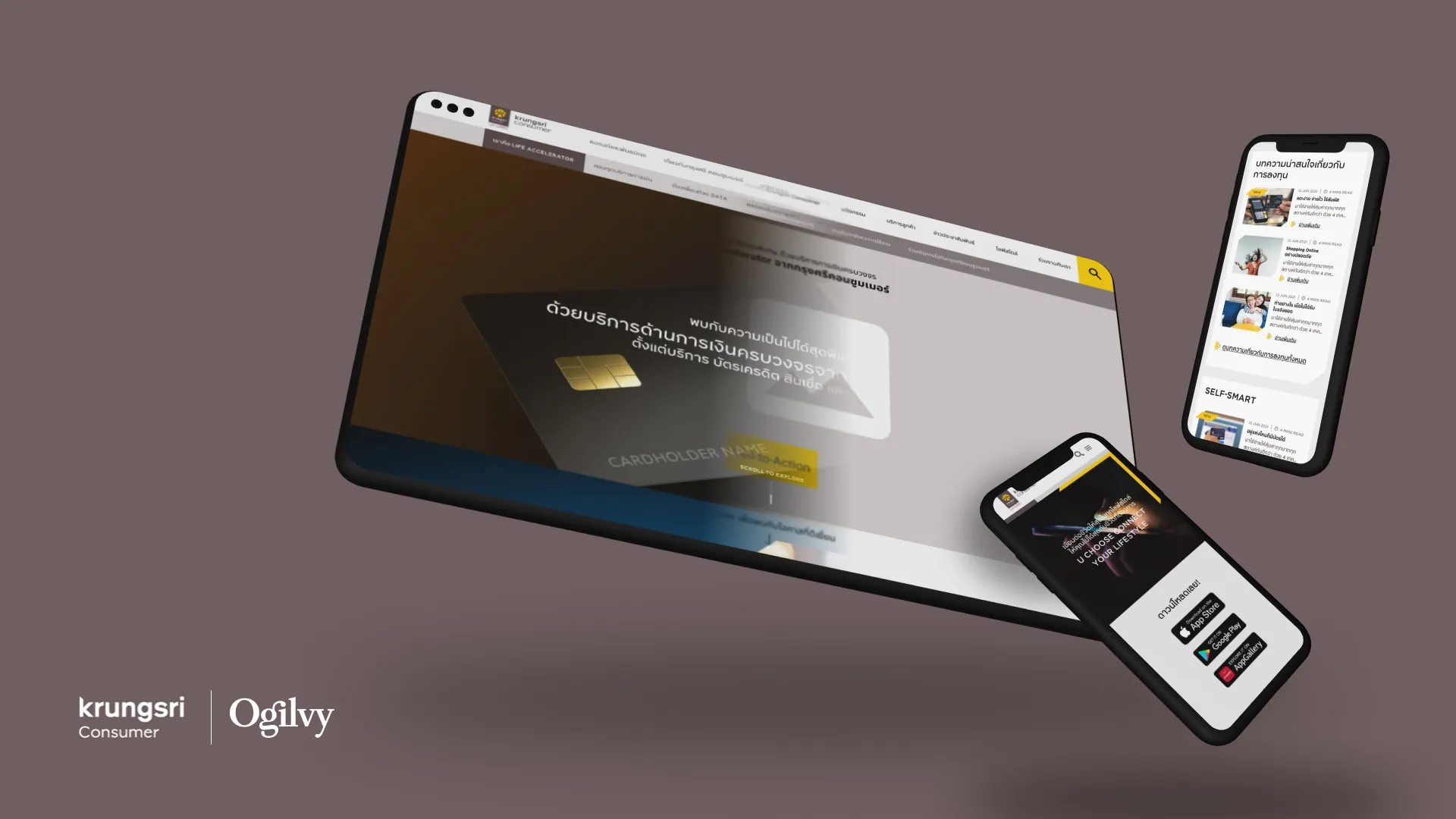
- Making client's top-down decision user-centred
- Develop solution without cannibalising current traffics
- Conducted user research and reviewed existing customer journeys
- Mapped the current end-to-end customer journey
- Analysed insights and translated them into a clear, actionable strategy
- Designed a new information architecture and revised customer journey
- New digital touchpoint that reinforced and complemented the existing customer journey without disrupting user flow
- Brand-driven information architecture that support customer's lifecycle
- Sensemaking for management's decision